

A recording studio that resembles a private library — microphones between stacked Federal Reporters, warm tungsten lamp over marble table

Listener 1
Listener 2
Listener 3

84,000+ attorneys & devotees listening

Scroll

Law school taught you the rules. Docket teaches you the arguments.

Each episode opens a case file — landmark decisions, circuit splits, the arguments that almost weren't made. We move at the pace of a thriller and stop at every footnote that matters.

Our hosts are practicing attorneys and former clerks who've argued these issues. They disagree on the record. They cite the dissent. They tell you when the majority got it wrong.

6
Seasons
142
Episodes
4.9★
Apple Podcasts
"The kind of CLE credit you'd actually spend a Saturday morning on — if they gave credit for this."
Priya Nair, Senior Associate — Quinn Emanuel
Open law books with highlighted passages and margin notes in warm lamplight

Dawn research session — highlighters bleeding through photocopied opinions

Browse All Episodes

142 episodes. Every one an argument worth having. Filter by legal area, case type, or season.

Area:
Court:
Season:
SCOTUSConstitutional

The Confession That Wasn't

Missouri v. Seibert, 542 U.S. 600

Police in Missouri developed a two-step interrogation technique to launder inadmissible confessions into admissible ones. The Supreme Court said no — but couldn't agree on why. Five justices, three rationales, one fractured precedent that lower courts are still trying to apply.

Feb 19, 2026·18.2K listeners

SCOTUSCorporate

The Franchise That Ate a Town

FTC v. Grinnell Corp., 384 U.S. 563

Before big tech, there was big alarm. Grinnell controlled 87% of the central station protective services market and called it competition. The Court called it monopoly. The standard they wrote still governs every antitrust case filed today.

Feb 5, 2026·14.7K listeners
SCOTUSAdministrative

Standing in the Rain

Lujan v. Defenders of Wildlife, 504 U.S. 555

Two wildlife biologists wanted to challenge a federal rule that would harm endangered species overseas. Scalia said they lacked standing — and rewrote the doctrine in the process. This episode is about who gets to sue the government, and why the answer matters more than the merits.

Jan 22, 2026·12.9K listeners
SCOTUSAdministrative

The Midnight Rider Clause

Train v. City of New York, 420 U.S. 35

Nixon impounded billions in congressionally appropriated funds. He claimed executive discretion. Congress claimed the Impoundment Control Act said otherwise. The Court never reached the constitutional question — but the political crisis it spawned reshaped the separation of powers.

Jan 8, 2026·11.3K listeners
SCOTUSCriminal

Mens Rea on Trial

Morissette v. United States, 342 U.S. 246

A junk dealer picked up spent bomb casings from a government range, flattened them, and sold them for scrap. The government called it theft. Jackson called it a case about the soul of criminal law. The opinion he wrote became the foundation of every mens rea argument ever made in a federal court.

Nov 14, 2025·21.4K listeners
SCOTUSCivil Rights

The Invisible Plaintiff

Allen v. Wright, 468 U.S. 737

Black parents sued the IRS for granting tax exemptions to segregated private schools. The Court said they couldn't — not because they were wrong, but because the injury was too abstract. It's the case that taught a generation of civil rights lawyers to frame their complaints before they file them.

Oct 30, 2025·16.8K listeners

From the federal reporter to your earbuds.

Open law books with highlighted passages and handwritten margin notes in morning light

Dawn Research

Highlighters bleeding through photocopied opinions. The coffee is still hot. The margin notes are illegible by 7 a.m.

"The brief is never the argument. The argument is what happens when someone disagrees with the brief."

Podcast microphone in a warmly lit studio with books and papers on the table

Recording Session

Hosts debate mens rea over espresso. The best episodes start with an argument in the pre-roll.

"We stop when one of us changes their mind. That's usually around the third espresso."

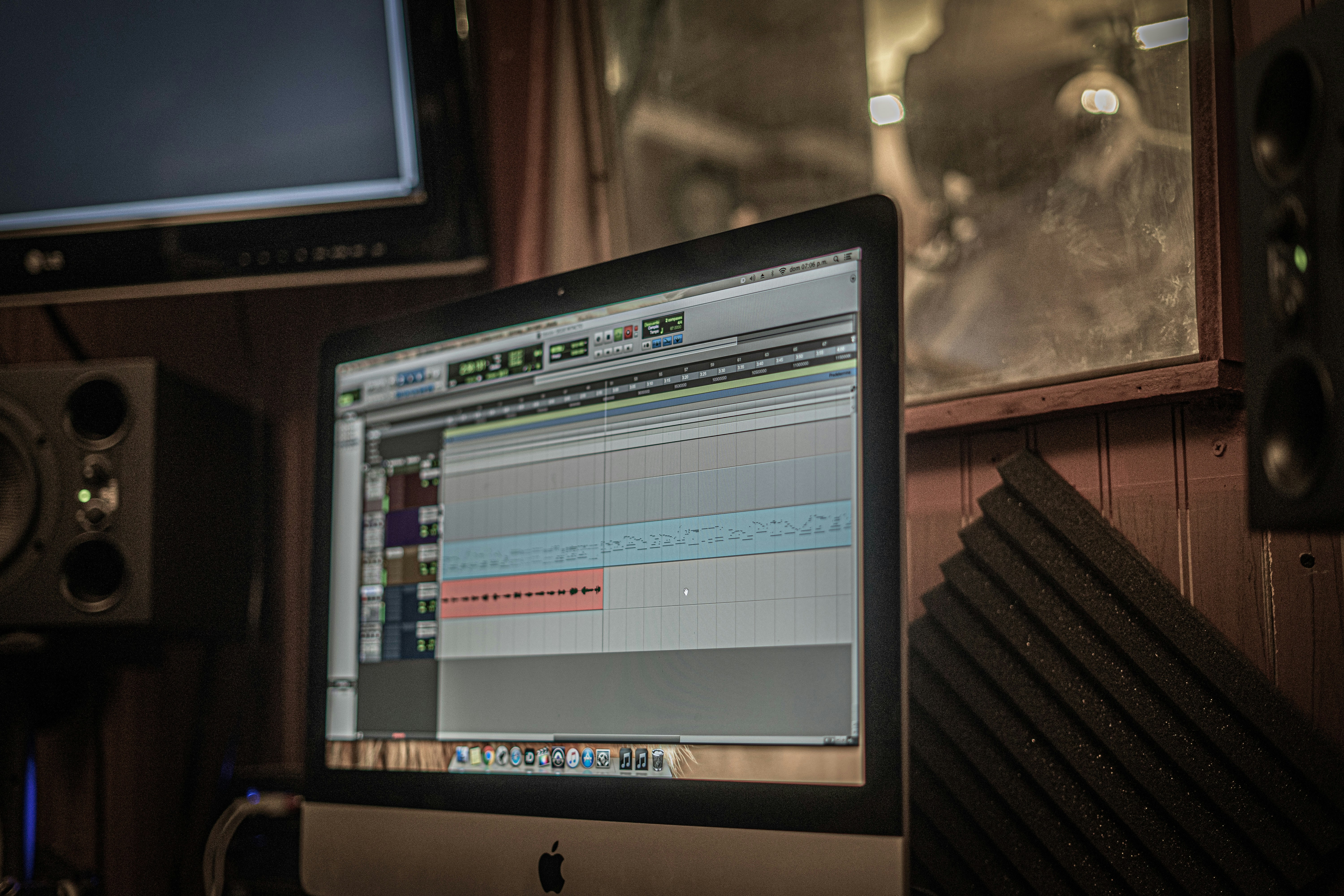
Audio editing software waveforms on a screen in a dark studio environment

Evening Edits

Waveforms trimmed with the precision of redlining a brief. Every pause is intentional.

"The edit is where the episode becomes inevitable. Everything else is just raw material."

Portrait of Marcus Webb
Marcus Webb
Third-year associate, Latham & Watkins
84K+
Monthly Listeners
#3
Legal Podcasts · Apple